
Seven takeaways from the Fifteenth International Rotavirus Symposium
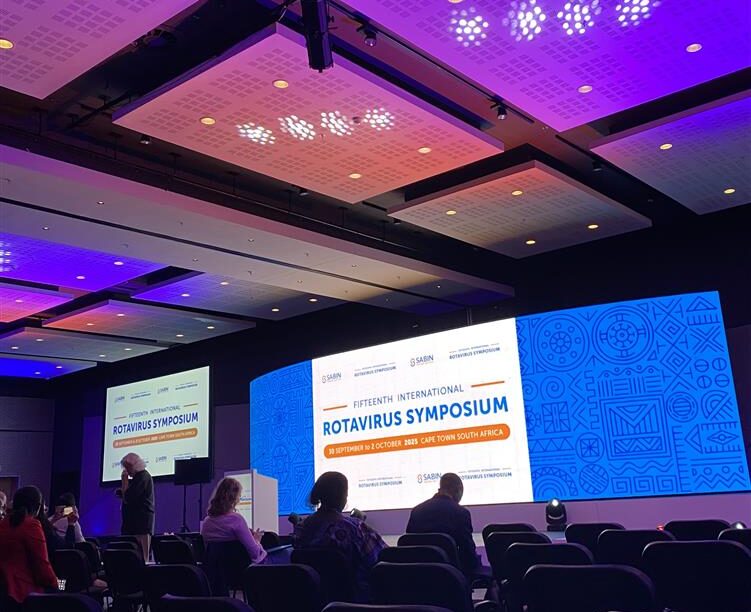
Two decades ago, the first rotavirus vaccines were introduced, marking a pivotal step to prevent deaths from diarrhea in young children. At the fifteenth International Rotavirus Symposium, held this month in Cape Town, South Africa, speakers and attendees celebrated the impact of vaccines in reducing rotavirus cases and deaths over the last 20 years. But the focus was wholly on the future—and how new approaches and scientific advances can increase protection for children in the coming decades.
Read on for seven takeaways from the conference.
- Rotavirus vaccines are making a difference—globally. Research from Nigeria, Tanzania, Indonesia, and other countries tell the same story: significant drops in rotavirus hospitalizations and case rates following vaccine introduction.
- But there’s more to do to improve their reach. In his opening address, Duncan Steele of the Gates Foundation highlighted the value of immunization to prevent rotavirus. “Diarrhea remains a critical public health issue, and rotavirus vaccines are one of the best ways to address it,” he said. “We need to expand their use, and we need to expand their coverage.”
- Despite their proven effectiveness, rotavirus vaccines still face implementation hurdles. Presenters cited high costs, supply disruptions, and challenges with product switches as some of the barriers to successful implementation. Combination vaccines, which could simplify vaccine schedules by protecting against multiple pathogens with a single dose, are one exciting possibility to improve implementation in the future.
- Integrating nutrition with immunization yields impressive results. Diarrhea and malnutrition are closely linked, creating a cycle that impairs child health. Research from Pretty Priyadarshini at India’s Ministry of Health and Family Welfare showed that children who received all three doses of the rotavirus vaccine had lower rates of stunting, wasting, and underweight.
- Understanding rotavirus vaccines’ mechanisms of protection is key to improving efficacy. Research on the gut microbiome, the genetic characteristics of different virus strains, and the role of maternal antibodies is helping scientists understand how current vaccines work—and how to make them even better.
- Immunization can help combat antimicrobial resistance (AMR). A case of rotavirus can sometimes result in inappropriate antibiotic use, which disrupts the gut microbiome and contributes to antimicrobial resistance. One study, presented by Gonçalo Piedade of the Amsterdam Institute for Global Health and Development, found that rotavirus vaccines help break this cycle by preventing infections, maintaining microbiome health, and reducing the occurrence of resistant disease strains.
- Equity, adaptability, and a focus on practical solutions must guide the way forward. In today’s uncertain funding environment, speakers stressed the importance of relying on proven strategies that can be implemented in diverse settings, including vaccines, ORS and zinc, and continued disease surveillance. “We need to work to ensure that every child, everywhere, benefits from this success,” said George Armah of the Noguchi Memorial Institute for Medical Research in Ghana, who described the accomplishments of the last 20 years in a keynote lecture. “That should be the next chapter of this story.”
For more on the global impact of rotavirus vaccines, read our report here.
Featured Content

Six takeaways from VED 2025
From combination vaccines to climate change, the VED 2025 conference offered an exciting look at the latest on vaccines for enteric diseases.
Mar 27, 2025
Defending against disease
We can and should defend against diseases that keep children out of school, parents out of work, and soldiers from their posts.
Mar 10, 2023
Research and Relationships Define 20 Years of Rotavirus Vaccines
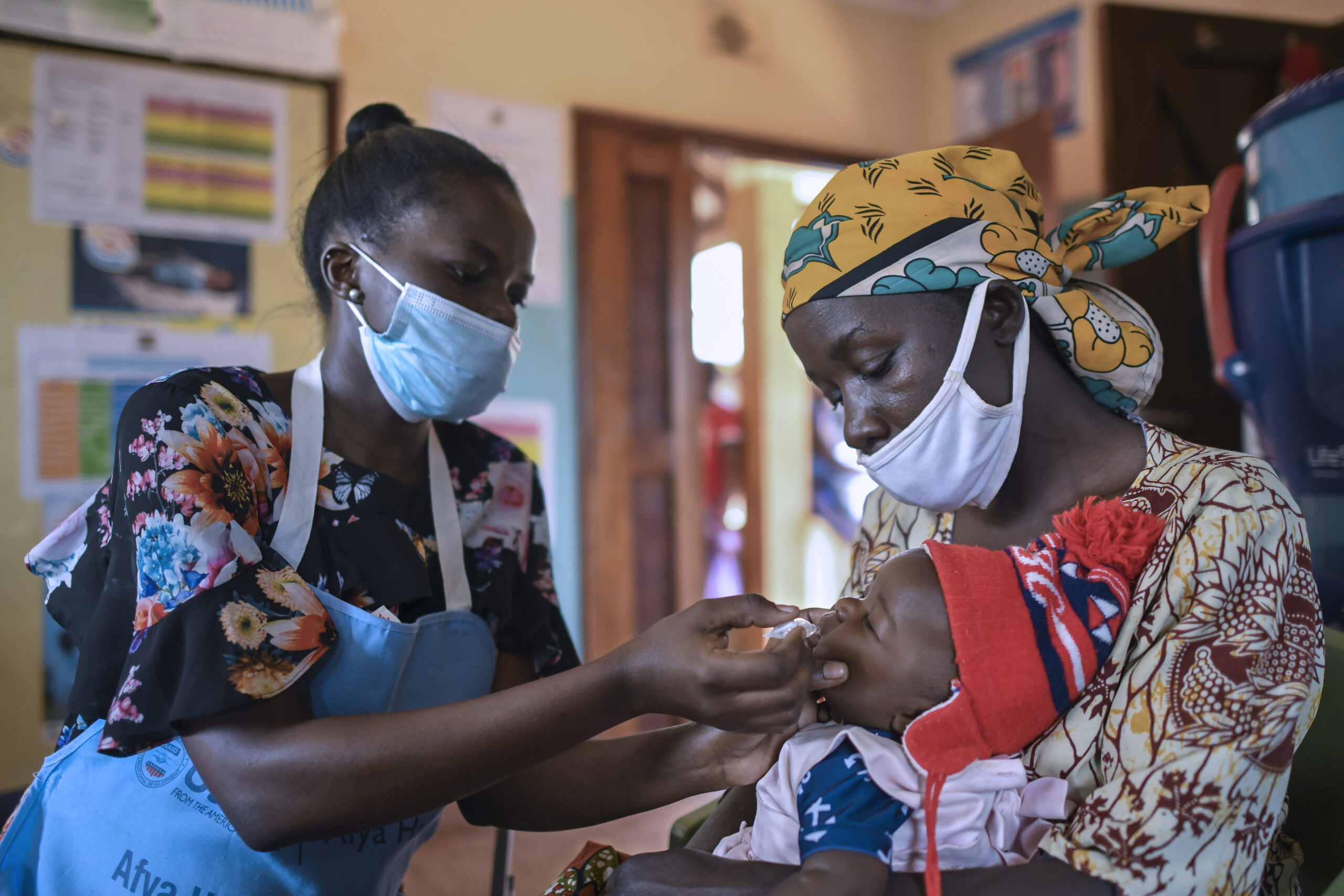
Annet Onyamasi administers an oral rotavirus vaccine to a child at the Khwisero Health Clinic in Kenya. Photo: PATH.
The world has quickly become accustomed to vaccines on demand, as scientists and pharmaceutical companies pursue and re...