Teacher Uttama Pal underscores the importance of children’s participation in lessons on basic hygiene and toilet use.
Let’s further efforts to increase fair compensation and gender equity for health workers.
The World Health Organization recommends breastfeeding for infants to support healthy growth and development. But why is this recommended? And when women face barriers breastfeeding, what alternatives exist to provide nutrients to newborns?
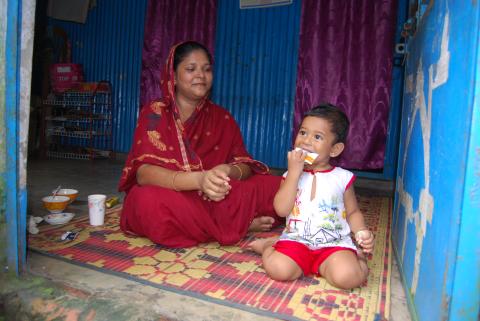
A child having a lipid based nutrient supplement (LNS) in Bangladesh. Photo: icddr,b.
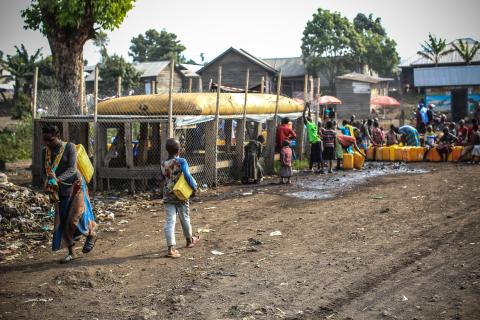
Deaths caused by diarrhea among children less than five years old are highest in poor communities in sub-Saharan Africa and South Asia, including here in
In recent months, numerous news articles have detailed global cholera outbreaks. What do we know about cholera, and why are these outbreaks so prevalent?
Increasingly, conflict, displacement, and climate change impact access to life-saving vaccines. These factors can result in millions of children around the world not receiving immunizations, often described as “zero-dose children”.
Are we ready to face the heat of 2024? This continuing record-breaking average global temperature is being exacerbated. How will this influence the prevalence of diarrheal diseases?
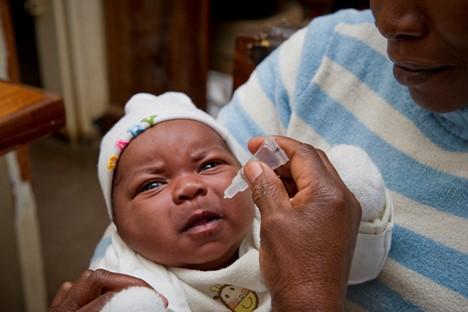
Rotavirus vaccines became available in 2006. How have they made an impact?
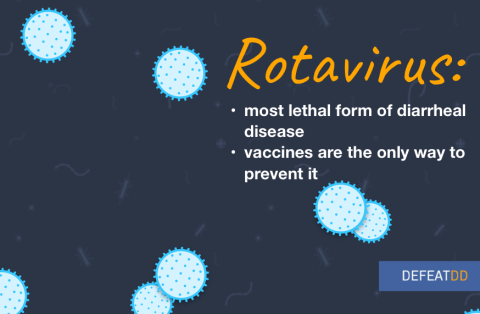
There are six pathogens that are responsible for the majority of childhood diarrhea: Shigella, rotavirus, adenovirus, enterotoxigenic E. coli, Cryptosporidium, and Campylobacter. But what exactly is rotavirus?
As we ready ourselves for the new year, let’s learn from past blogs by taking a look at the top five DefeatDD blogs–reader’s favorites–in 2023